
A Human Threat to Marine Mammals
By Kate Hruby, Communication and Education Coordinator
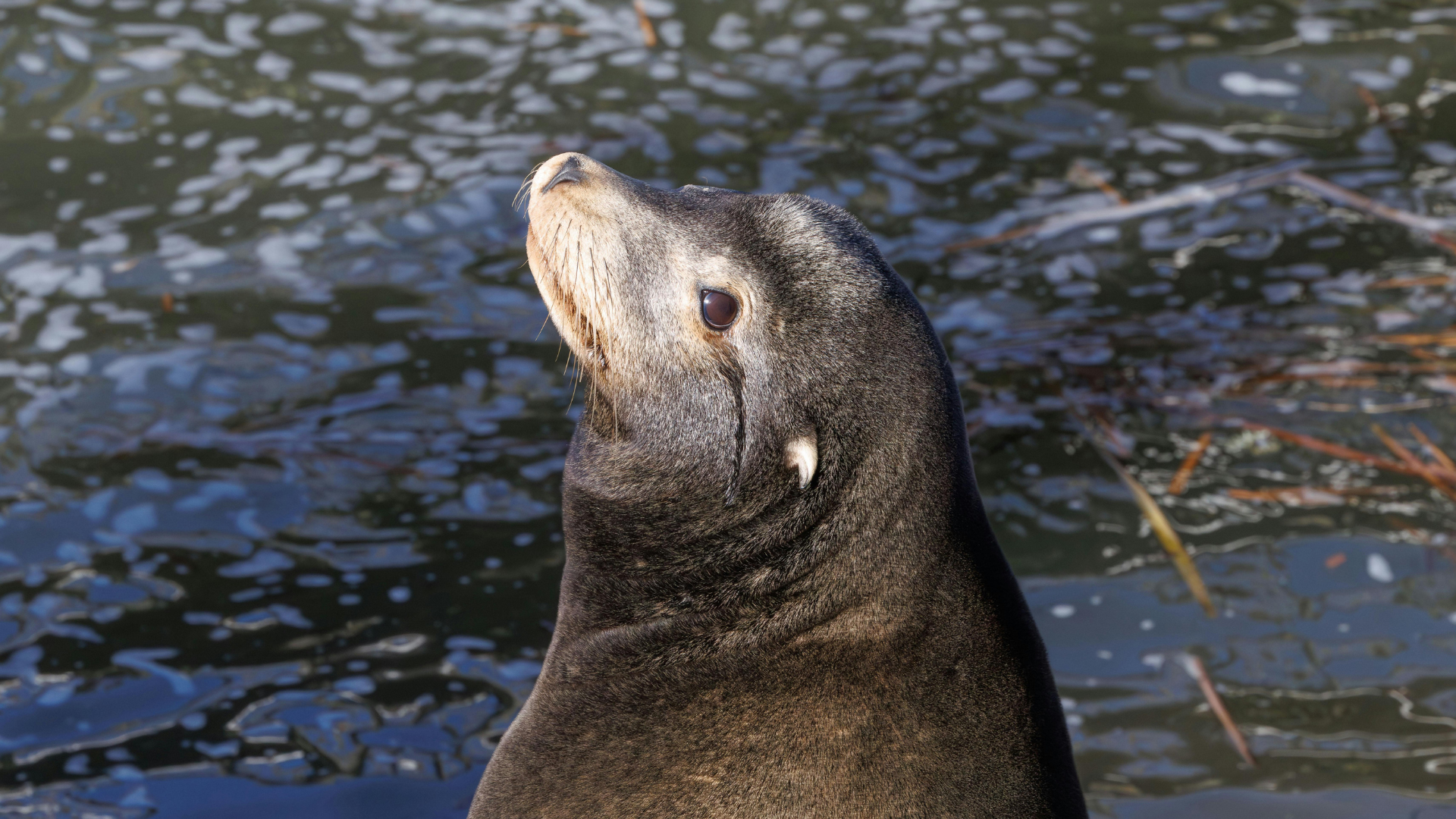
A male California sea lion on the shoreline.
Although Washington State has a strong environmental reputation, recent legislative proposals pit several iconic species against each other under the false promise that we can save salmon and killer whales by removing seals and sea lions.
While we are happy to announce that several of these misguided bills are no longer active in this year’s legislative session, they are likely to return next year. If passed, the policies listed below will increase the killing of marine mammals in our waters.
HB 2131: Boat owners, this one’s for you
House Bill 2131 is aiming to change state policy, and was heard in the House Agriculture & Natural Resources Committee on January 30th (you can watch the briefing here, starting at 1:33:00). It asks for boaters to donate to pinniped (seals and sea lions) predation control at the time of their vessel registration in order to kill more marine mammals in the Columbia River.
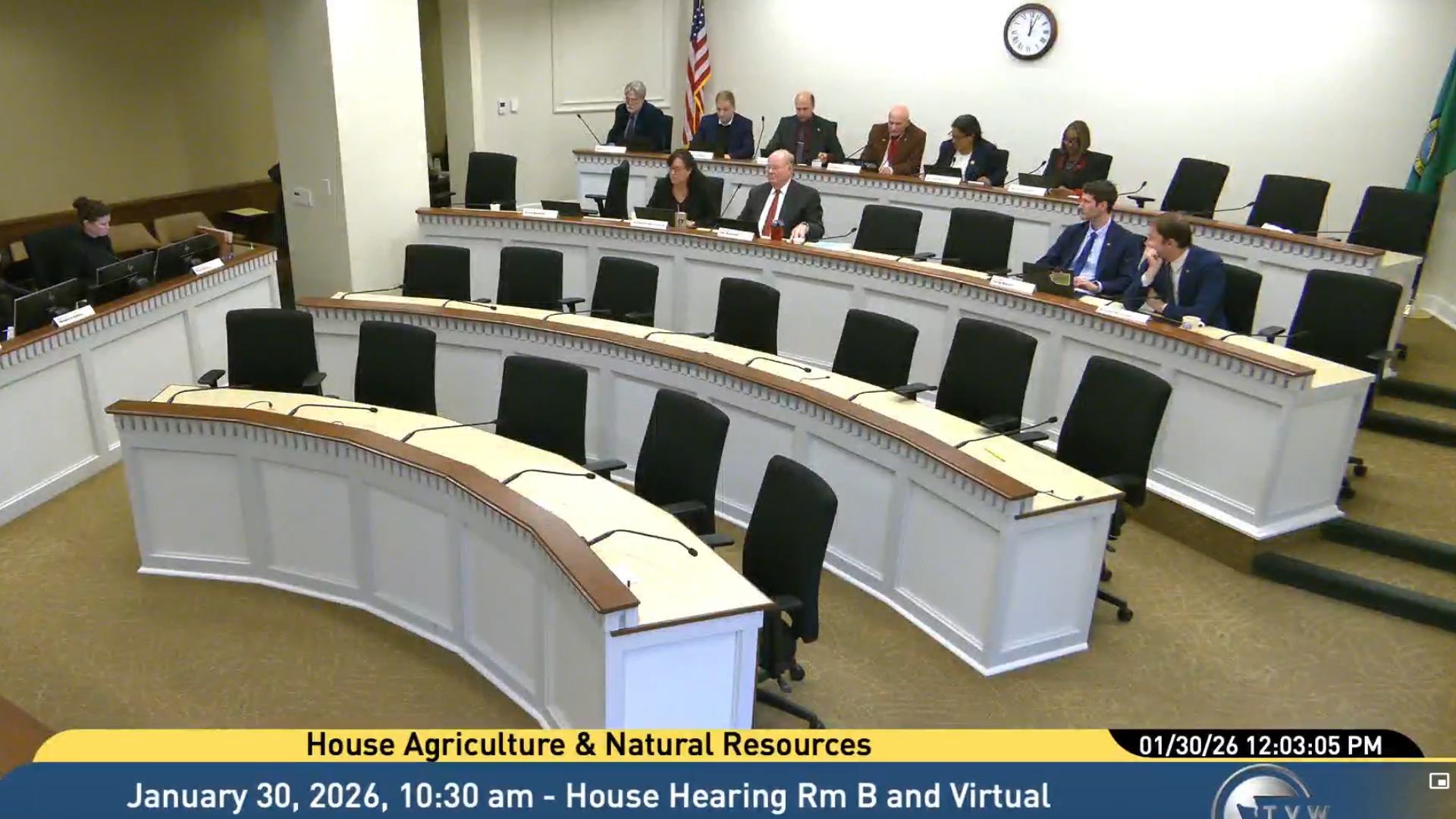
The House Agriculture & Natural Resources Committee preparing to hear testimony on HB 2131.
Sea lions have been killed (also known as culling) in the Columbia River since 2008 (1) - a process that has been using public dollars to lethally remove these animals from locations where they can more easily hunt salmon due to dams. According to Representative Marie Gluesenkamp Perez, who supports culling, it costs “over $38,000 per removal.” This means it costs roughly $203 to save a single salmon (2). Donations would be listed as $1 or more.
SB 5851: If dad says no, ask mom
Senate Bill 5851 asks for the same donations as HB 2131. These donations would be “voluntary” but would likely be pre-selected during vessel registration. So instead of checking the box to donate, you would have to uncheck the box to not donate.
Both SB 5851 and HB 2131 could lead boat owners into supporting something they do not agree with. Registration forms would list donations as going to “salmon level preservation” but instead of funding proven solutions like habitat restoration or environmental cleanup, the donations go to killing sea lions.
HJM 4004: Return of the Joint Memorial
House Joint Memorial 4004 first appeared last year, but didn’t make it through the legislative session. House Joint Memorials are letters from our state congress to federal congress, asking for a change at the national level. In this case, the requested change is to modify the Marine Mammal Protection Act so seals and sea lions can be killed in Puget Sound in addition to the culling that is already occurring in the Columbia River.
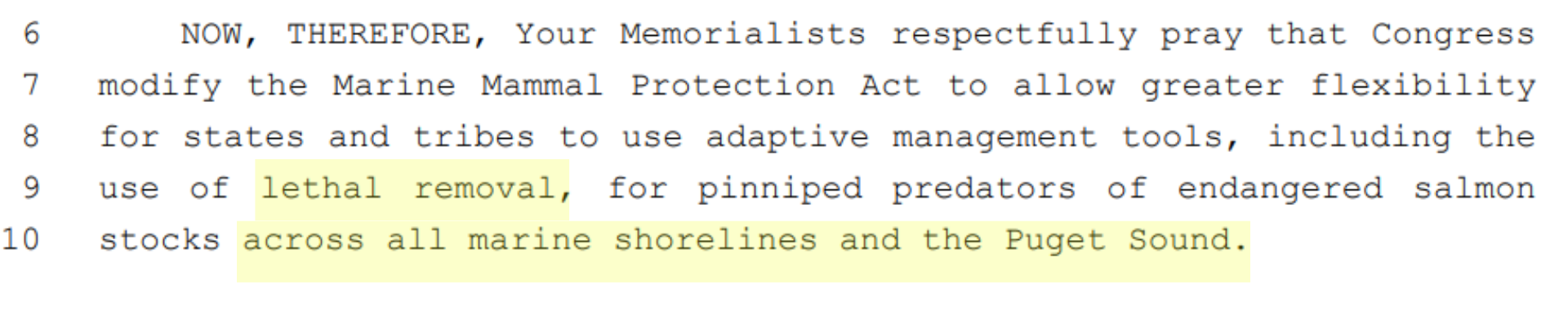
A screenshot of the original HJM 4004 text, asking to expand seal and sea lion culling to all Washington shorelines.
There are non-lethal technology solutions to deter marine mammals from man-made structures where salmon congregate. Some of this technology, like sound, has been studied for a decade, yet government funds are not being directed to exploring these long term solutions. While the technology may not be perfect, shooting seals and sea lions is not an effective solution either, as we have seen with past patients. Culling funds could be used to increase technological effectiveness, instead of used for increased lethal removal.
HJM 4004 passed through the House on January 29th. It was approved 80-16. See how your representatives voted.
SJM 8013: Same same, but different
Senate Joint Memorial 8013 is the Senate version of HJM 4004 but… includes birds! Not only is the Washington Legislature asking to amend the Marine Mammal Protection Act, but they are also asking to amend the Migratory Bird Act.
The ocean food web is complex. Seals and sea lions are just a few of the over 100 species in the Pacific Northwest that consume salmon (3) - and they also consume salmon predators. While 0.5-5.1% of Salish Sea harbor seal diet is salmon, it’s more common to see harbor seals eating salmon predators like hake and herring (4). If seals and sea lions are reduced in the ecosystem, it could lead to the population growth of other salmon predators.
But what about the Southern Resident killer whales?
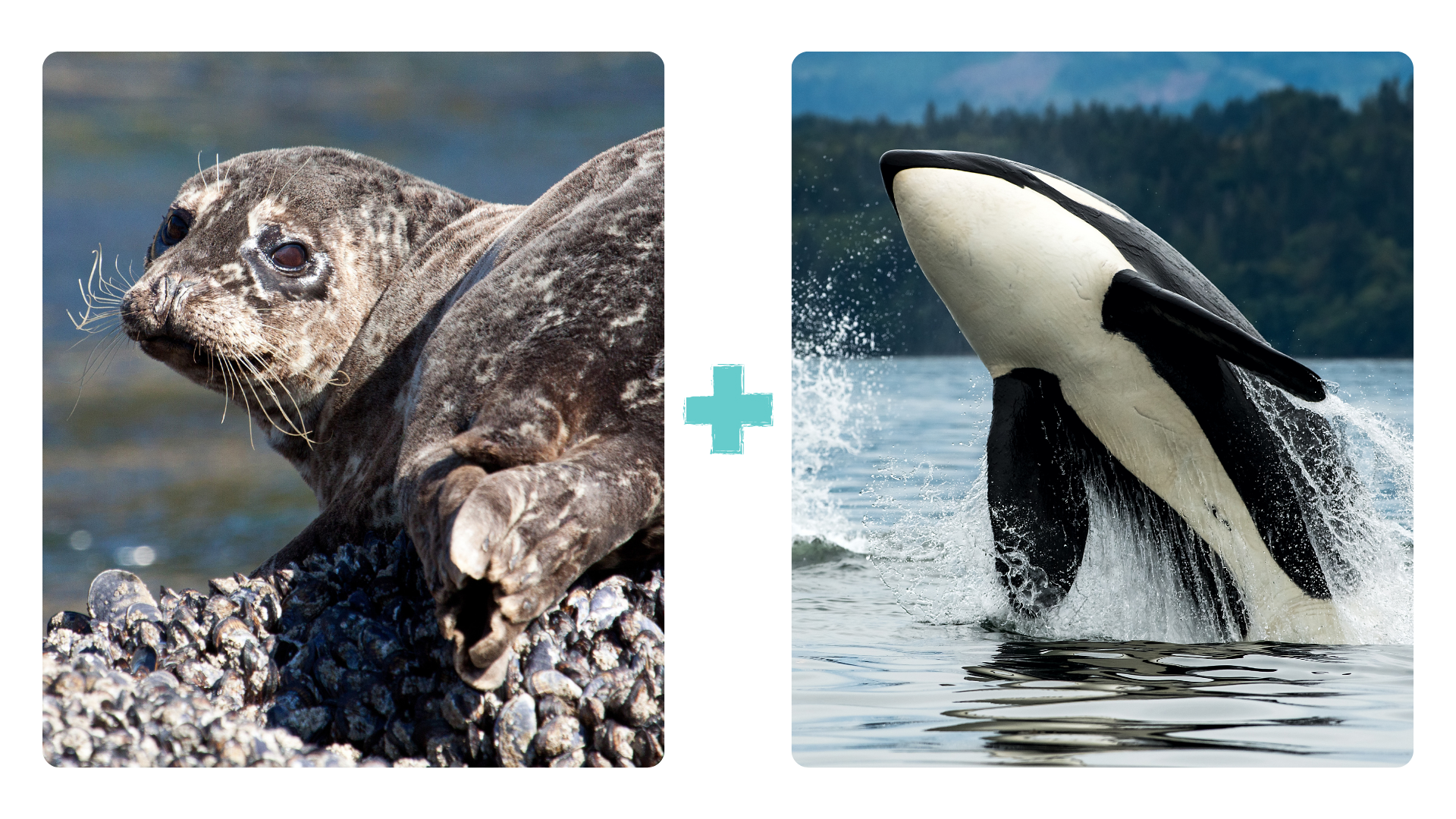
Seals and sea lions are the primary food source for a local type of killer whales. Removing seals and sea lions from Washington could mean we see less of other iconic species as well.
Weakening the Marine Mammal Protection Act could have nationwide consequences for not only seals and sea lions, but other marine mammals as well. A common argument for these bills is that they will save endangered Southern Resident killer whales, another salmon predator, yet any salmon saved by killing seals and sea lions would likely go to humans instead of killer whales. Jeremy Cram, the salmon-recovery coordinator at the Washington Department of Fish and Wildlife, has said that “the real predator that those fish would go to is us” (5). Sponsors of the bills also don’t take into account how removing seals and sea lions might impact their predators: the Bigg’s killer whale. If mammal-eating killer whales no longer come to Washington for their primary food source, it would put the $119.1 million annual marine wildlife tourism industry at risk (6), as Bigg’s killer whales are more of a focus for tourism than Southern Residents.
All four of these policy measures look to scapegoat seals and sea lions as the cause of salmon decline, rather than looking at the real issues. Habitat loss, environmental pollution, and us - the people eating salmon - should be the ones to shoulder the blame. Salmon recovery is necessary. Killing marine mammals is not.
Sources
(1) Washington Department of Fish & Wildlife, https://wdfw.wa.gov/species-habitats/at-risk/species-recovery/sea-lion-management
(2) Gluesenkamp Perez Joins Hearing on Sea Lion Removal Strategies, https://gluesenkampperez.house.gov/posts/gluesenkamp-perez-joins-hearing-on-sea-lion-removal-strategies
(3) Pacific Salmon and Wildlife - Ecological Contexts, Relationships, and Implications for Management 2nd Edition, https://wdfw.wa.gov/publications/00063
(4) Dr. Strahan Tucker, Ms. Sheena Majewski, Mr. Chad A. Nordstrom, Dr. M. Kurtis Trzcinski, Mrs. Angela D. Schulze, and Dr. Kristina M. Miller. Do harbour seals in fact target juvenile salmon of conservation concern? Biased diet sampling has provided an illusory perspective of seal impacts. Canadian Journal of Fisheries and Aquatic Sciences. https://doi.org/10.1139/cjfas-2025-0052
(5) The Atlantic - https://www.theatlantic.com/science/2026/01/sea-lion-salmon-euthanasia-columbia-river/685523/
(6) Seattle Business Magazine - https://www.seattlemag.email/seattle-culture/a-whale-of-a-splash/