
Three Stories of Survival from 2025
By Rachel Bishop, Development & Communications Officer
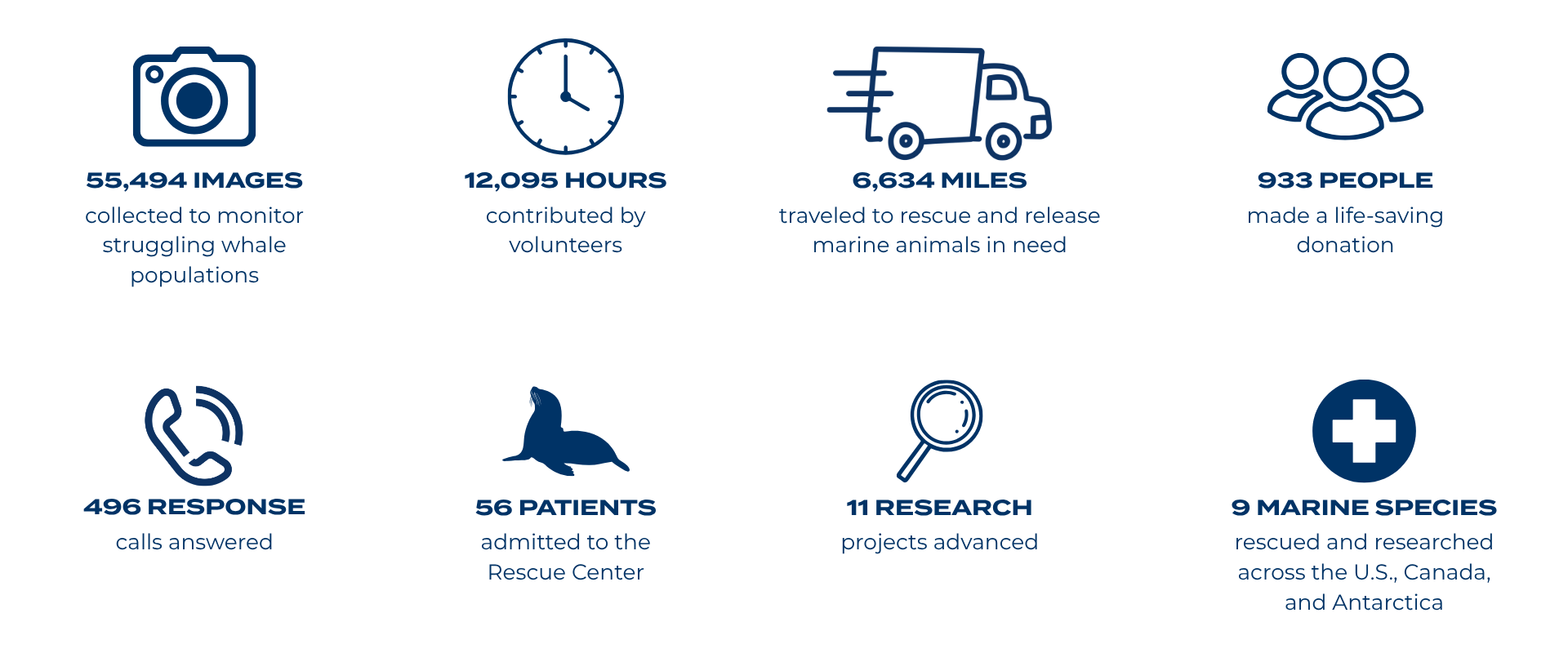
Eight numbers that represent what the SR3 community accomplished in 2025.
Every year, we look back on successes that supporters like you made possible for marine life.
Below are three stories from our 2025 Impact Report that illustrate the inspiring work this generous community brought to life.
Getting Ramen the Help He Needed
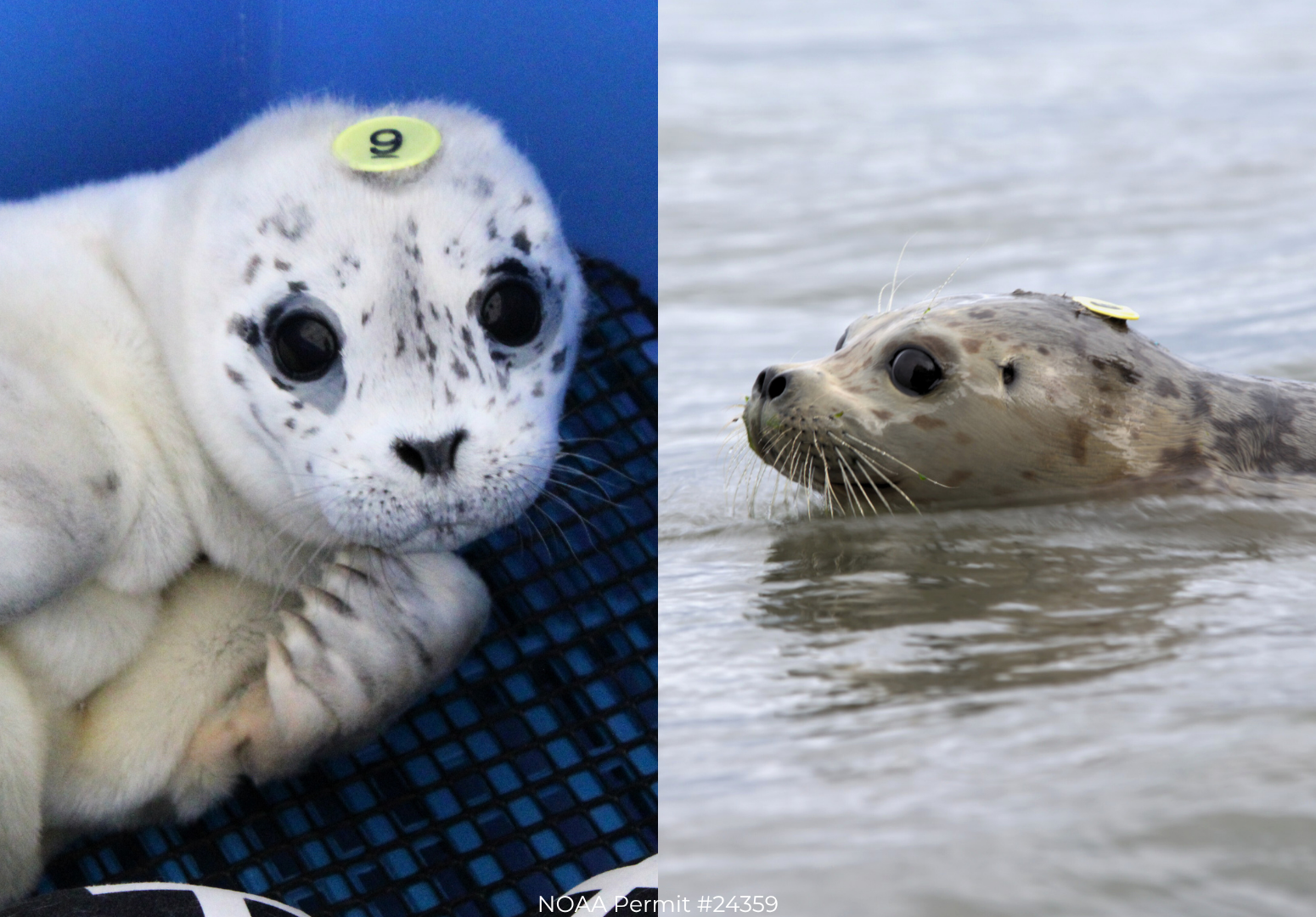
Before and after shots of Ramen: (left) Ramen in the first few days of his care at the Rescue Center, and (right) Ramen back in the ocean after rehabilitation.
Rescued from a beach in western Puget Sound shortly after birth, Ramen was found alone without his mother. This newborn harbor seal pup was far too young to survive on his own. Transported to SR3's Rescue Center by a dedicated volunteer, Ramen was admitted weighing just 17 pounds – several pounds below a healthy birth weight. Before the Rescue Center opened, seals born this early were not considered candidates for rehabilitation.
Through intensive care and a high-fat diet, Ramen steadily gained strength. Three months later, he returned to the ocean – a striking example of how science-based policy change and expanded capacity are transforming what’s possible for marine mammals in the Pacific Northwest.
Contributing to Threatened Species Survival
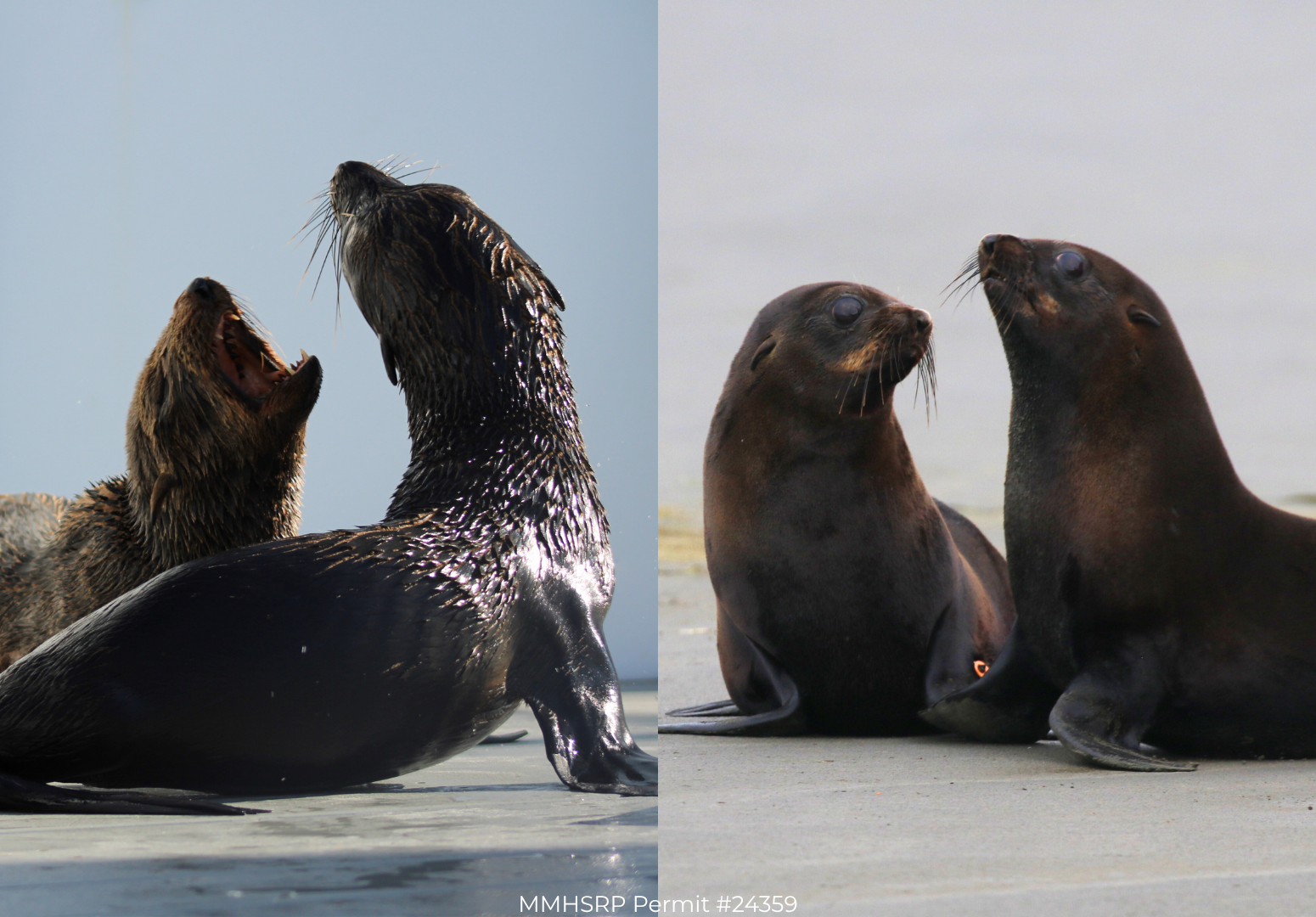
Before and after shots of Orechiette and Campanelle: (left) early on in their stay at the Rescue Center, and (right) during their release back to the ocean on Washington’s outer coast.
Found days apart on Washington’s outer coast in June, these two young seals were both severely underweight, dehydrated, and lethargic. As the only facility in the Pacific Northwest permitted to rehabilitate these challenging patients, SR3’s Rescue Center admitted them for specialized care.
Listed as Threatened under the Endangered Species Act, Guadalupe fur seals are still recovering from the fur trade and are now facing new pressures from warming oceans.
By October, Orechiette and Campanelle had tripled their weight and returned to the open sea – an important step in the long-term recovery of this struggling species.
Data that Leads to Protection
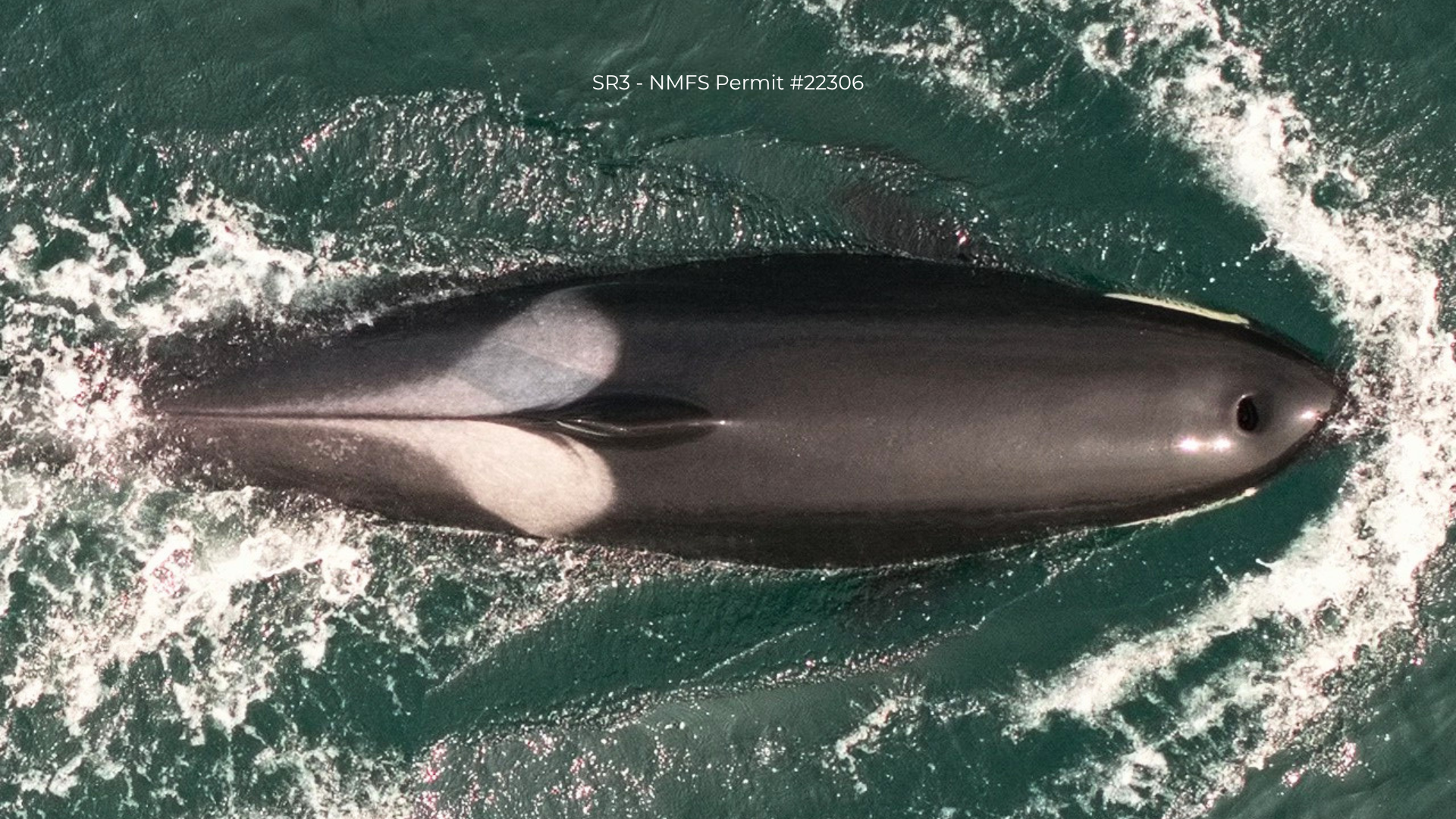
Aerial image of K36 in 2025 collected non-invasively using a remotely operated octocopter drone. Research conducted under NMFS Research Permit #22306.
Protecting struggling whale populations requires more than hope – it requires scientific data.
In 2025, SR3 continued health assessment research that identifies endangered Southern Resident killer whales in poor body condition. These data help reveal how salmon availability affects their survival. We delivered this information to federal agencies in the U.S. and Canada, informing decisions on Chinook “King” salmon harvest levels that consider what these endangered whales need to survive.
Similar health research also helped protect endangered North Atlantic right whales and several whale species in the rapidly-warming Antarctic Peninsula – advancing marine conservation on a global scale.
The Generosity Behind it All
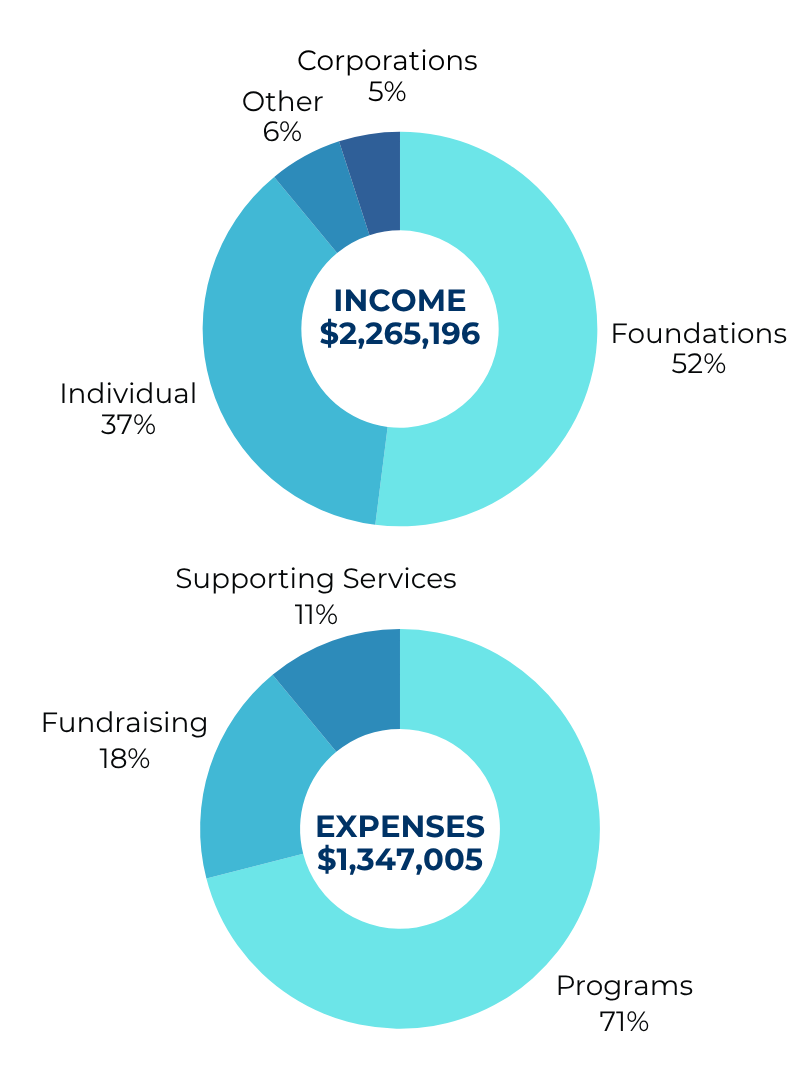
SR3’s 2025 finances.
There are thousands of generous people like you behind these numbers. Whether you committed to small monthly gifts, shared your energy through volunteering, or donated essential supplies, all of these contributions add up for marine life in need.
From ocean homecomings to conservation-driven research, thank you for making all of this progress possible right here in our own blue backyard.
All of the animals pictured in these stories, along with many others, were protected when they needed it most because of you!